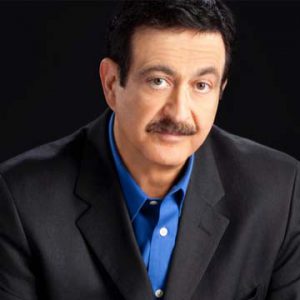

When Commissioner Jerod Gross brought a proposal to the table this week, it wasn’t about expanding DeSoto County’s footprint—it was about hitting pause. The push for a temporary moratorium on data centers reflects a growing reality across Florida: growth comes with consequences, and small towns are learning to ask harder questions before saying yes.
Here’s the scale of what’s on the table. Three applications have landed on the county’s desk, ranging from a modest 35,000-square-foot facility to two massive hyperscale operations—one nearly 3.7 million square feet, another nearly 4.7 million that includes electrical generation. Stretched end to end, they’d sprawl from Northeast Roan Street, less than two miles from DeSoto High School, all the way to State Road 70. This isn’t a tech campus quietly humming along in an industrial park. This is infrastructure that reshapes a landscape.
The concerns are real and resonate far beyond DeSoto County. Heat, noise, and water consumption loom large in residents’ minds. Lisa Adams didn’t mince words: “I don’t think a data center should even be in the state of Florida. Florida is such a unique state.” It’s a fair point in a state where water is both precious and fragile. The company behind the proposal, DeSoto County Industrial Project (DCIP), counters that it’s planning a closed-loop cooling system—essentially a radiator for massive servers—and plans to use reclaimed wastewater. It sounds responsible on paper. Whether that translates to real practice is what the moratorium buys time to assess.
The timing matters. In May, Governor Ron DeSantis signed legislation aimed at reining in hyperscale data centers statewide, with three core goals: keep costs off electric bills, give local communities final say on approval, and add new protections for Florida’s water resources. DeSoto County’s move aligns with that framework—a chance to understand the rules of the game before the first pitch is thrown.
The commission meets at 3 p.m. Tuesday to discuss the motion. What happens next will set the tone for how Florida’s smaller communities navigate the AI boom—not as passive hosts, but as communities with agency to decide what development looks like in their backyard.