

March 11, 2025 – Charlotte County, FL
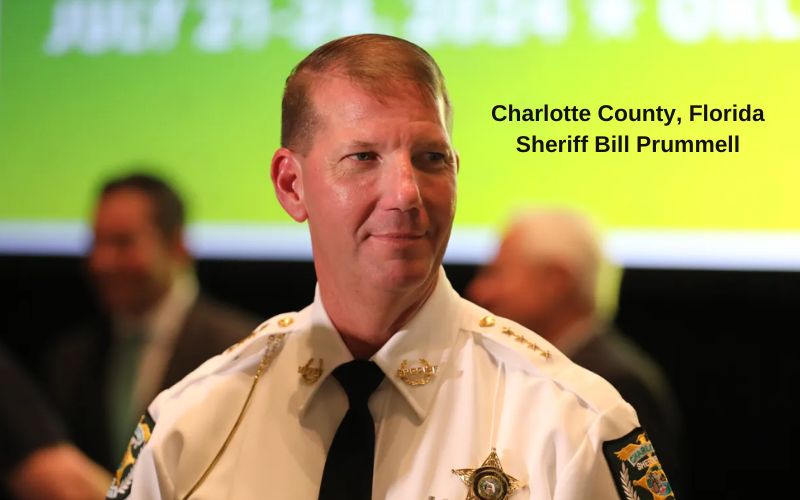
An Explanation of the Baker Act from Sheriff Bill Prummell
As you know, I have a passion for keeping our county safe and for getting people the help they need if they suffer from mental health issues. I am on Florida’s Commission for Mental Health and Substance Use and have delved into the many different facets of our mental health system, striving to identify Florida’s challenges and working toward positive changes to the system as a whole.
Like me when I first started on the Commission, many of you may not be aware of the intricacies of the mental health system. This is understandable, as it can be very complicated. Through many comments I have heard and read on our social media posts, I know there is much confusion of the Baker Act process. I want to share some of the facts about the process:
First, what is a Baker Act? A Baker Act is an involuntary examination of a person who is in crisis and cannot look out for themselves, or they are determined to be a danger to themselves or others due to mental illness. There are specific factors that must be met for a treating physician, law enforcement officer, or other qualified person to take a person to a receiving facility for an involuntary examination. The Baker Act is codified under Florida Statute 394.463 and here are the factors:
A person has a mental illness, and, because of their mental illness they either:
- Refused voluntary examination after conscientious explanation of the Baker Act, OR
- The person is unable to determine if an exam is necessary AND
- Without care/treatment, that person is likely to suffer neglect or refuses to care for himself/herself, AND such neglect or refusal poses a real and present threat of substantial harm to their wellbeing, AND it is not apparent that such harm may be avoided through the help of willing, able, and responsible family members or friends or the provision of other services;
OR
- There is a substantial likelihood that without care or treatment the person will cause serious bodily harm to him/herself or others in the near future, as evidenced by recent behavior.
In essence, a Baker Act is used to ensure the safety of, and provide services for, someone who is in a mental crisis. It also may be the first time a person has suffered a mental crisis, and this process introduces them to a system of care that may be able to support them in the future.
There are common questions that I have been asked, and I want to share those questions and some answers with you:
- Is a Baker Act an arrest?
No. A Baker Act, or the Marchman Act for people who are under the influence of alcohol or drugs, is not an arrest even though a law enforcement officer places someone in their car to deliver them to the receiving facility. CCSO can transport people in crisis safely to a receiving facility.
- When someone is Baker Acted, sometimes they get out the next day or sooner – isn’t it a 72-hour hold?
The law says the person who is placed under Florida’s Baker Act will be held up to 72 hours. Once the person is out of crisis, then they must be released with a follow up appointment for continued services. The only way someone can be held past the 72-hour mark is with a court order. The receiving facility would have to show that the person is still in crisis and should not be released.
I also hear this question from my newer deputies. Most deputies are so good at calming subjects down that by the time they reach the receiving facility, the person may actually be out of crisis.
At that point, the person enters the system of care and is released very shortly after with a follow-up appointment to continue services. Again, the follow up is voluntary. This is the point of a Baker Act – to get a person out of crisis and provide them services to help them in the future. The Baker Act is NOT treatment per se’.
- What if a person just suffers from dementia and the family wants him/her Baker Acted?
Families who deal with elderly members who may have dementia or younger members who may have a physical disability sometimes become frustrated and need help. But simply having dementia or other physical disabilities is NOT a factor for the Baker Act. This may be a medical problem or something that the Department of Children and Families (and DCF Adult Protective Services) can help with. If you are in this situation, please call DCF or get medical help because this is a medical issue, not a mental health issue.
I want to remind everyone that CCSO’s IRIS (Integrated Response for Intervention and Support) Units are out there to stabilize and provide resources for those who may benefit from mental health intervention and redirects individuals with mental illness to mental health professionals. We also have deputies who are trained and certified in CIT (Crisis Intervention Training) who respond to people in crisis. Our mission is to help these individuals, but also to ensure the safety of the community around them.
I hope that this explanation helps you all to have a better understanding of what a Baker Act is and how it works. As I said, it can be quite complicated and I had to expand my own knowledge of the mental healthcare system and its intricacies as I began to serve on the Commission. As always, I promise you that I will continue to work on every level to make improvements to the mental healthcare system to provide better resources here in Florida.
Be strong, be safe, and never quit!
– Sheriff Bill Prummell